
The Neurosciences Institute
What Rambam Did for the Heart, It Will Now Do for the Brain
Cardiology was medicine’s last great frontier, and Rambam helped conquer it. Neuroscience is the next, and the new Rambam Neurosciences Institute, rising on Rambam’s North Campus in Haifa, is where the breakthroughs will begin.
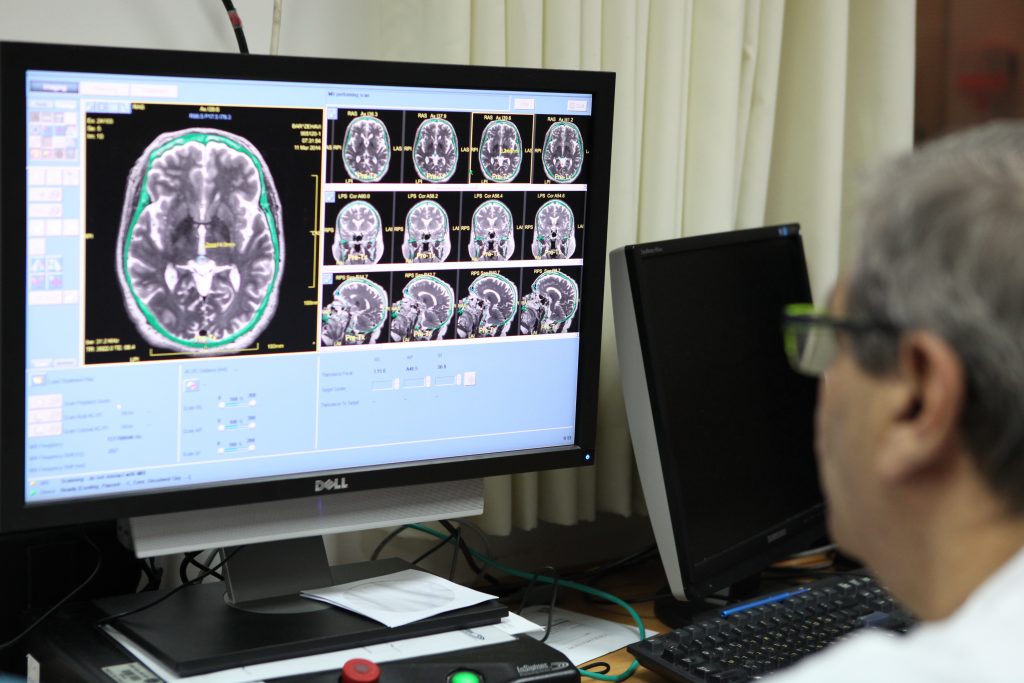
From the Heart to the Brain
Sixty years ago, a heart attack was usually a death sentence. Today, a patient whose artery suddenly closes can be rushed to a catheterization lab, have the blockage opened and stented, and walk out of the hospital days later. Since 1950, death rates from cardiovascular disease have fallen by roughly 60 percent, one of the great achievements of modern medicine.
Rambam was not a spectator to that revolution; it was an engine of it. Rambam physicians helped build the world’s first robotic system for coronary intervention. The world’s first human embryonic stem-cell line was co-developed at Rambam, and its scientists made history by coaxing stem cells into living, beating human heart cells.
“Rambam does not merely treat the heart. It invents the tools the world uses to heal it.”
Now look at the brain: 86 billion neurons wired into some 100 trillion connections, and medicine’s last great frontier. With stroke, dementia, brain cancer, Parkinson’s disease, chronic pain, and PTSD, we are still where cardiology stood in 1965: able to name the disease, yet struggling to change its outcome.
That is finally changing. Since 2015, doctors can thread a catheter into the brain and physically remove a stroke clot, the brain’s angioplasty. The first drugs shown to slow Alzheimer’s disease itself have been approved. Focused ultrasound now reaches deep into the brain without an incision, and artificial intelligence is learning to predict the brain’s failures before they occur. The tools are arriving. The brain is reaching the turning point the heart reached a generation ago.
Why Rambam, and Why Now
Rambam is built to lead this next chapter, because it has already done it once, and it does not start from zero:
- The largest stroke center in Israel, performing the country’s highest volume of brain catheterizations
- One of the nation’s largest neurological intensive-care units
- A pioneer of MRI-guided focused ultrasound, treating the brain without a single incision
- A leading interventional neuroradiology division, a multidisciplinary pain institute, a stroke-and-cognition institute, and an active psychiatry and mental-health division
Combined with one of the most diverse patient populations in the region, and the vast clinical data that comes with it, Rambam offers a research platform that cannot be replicated.
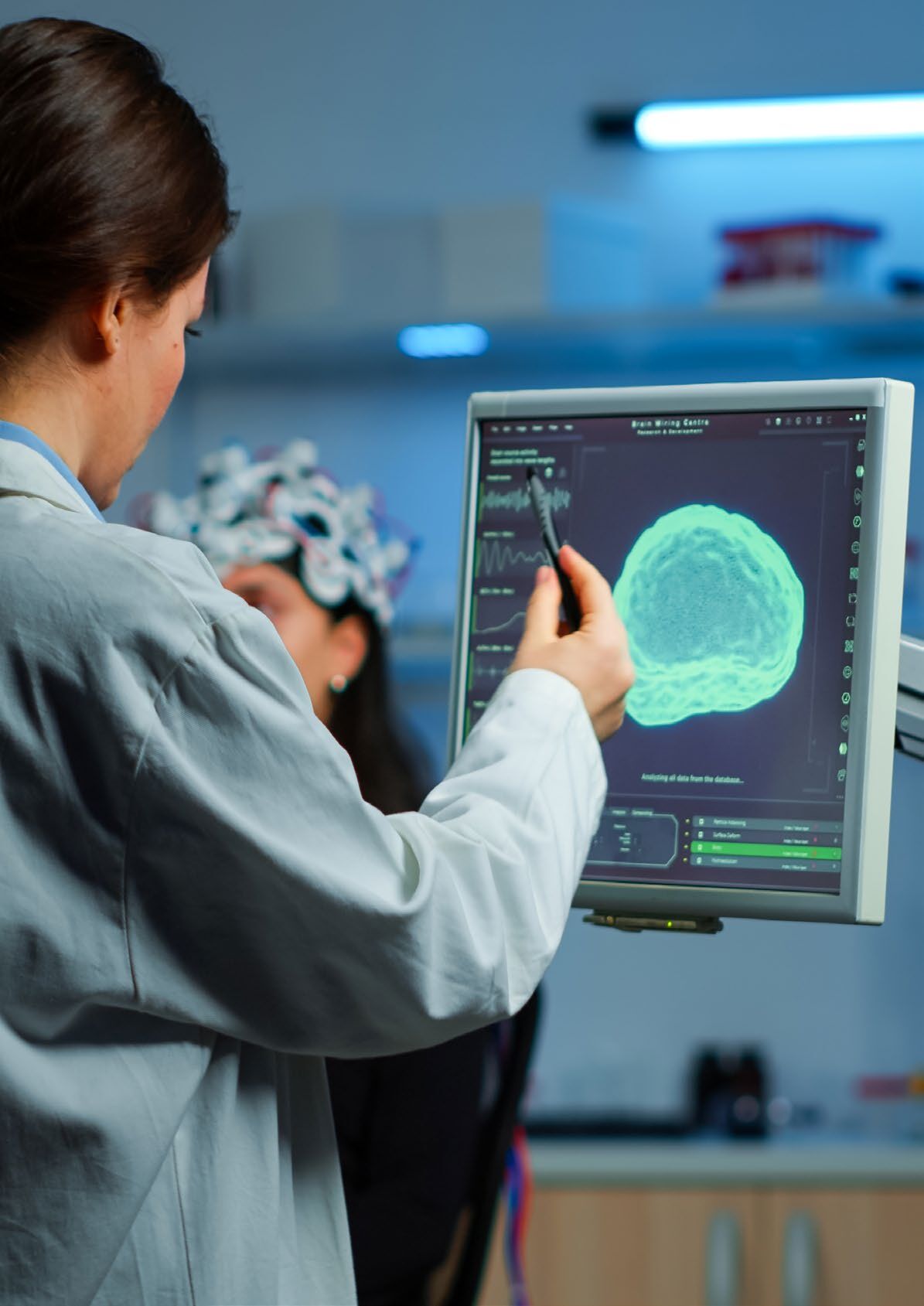
The Neurosciences Institute
Rising on Rambam’s North Campus with frontline views of the Mediterranean, the Neurosciences Institute will unite two state-of-the-art centers across nearly 100,000 square meters. Its fortified, partly underground design, built to keep functioning under fire, creates a setting for studying the brain under conditions that exist almost nowhere else on earth.
Center for Neurology and Neurosurgery
- Israel’s largest neurology division
- Neurological Intensive Care Unit and Acute Stroke Unit
- Epilepsy Center and Movement Disorders Institute
- Multiple sclerosis, stroke, headache, and neuromuscular clinics
- Neurosurgery: more than 1,800 procedures a year, a 14-bed neurosurgical ICU, and a Brain Tumor Center of Excellence
Center for Brain Health
- The Institute for Pain Medicine
- Research in stroke and neurodegeneration, chronic pain, neuroimmunology, and novel brain-tumor therapeutics
- Psychiatry and Mental Health Division
- Interventional Neuroradiology Division

A Founding Role in Discovery
The Institute’s total cost is $220 million. A gift here is not the funding of a building; it is a founding role in the discoveries the building exists to make possible: the program mapping the brain’s first objective “pain signature,” the artificial-intelligence engine mining Israel’s largest stroke database to prevent strokes before they strike, the immunotherapy lab taking on glioblastoma.
Entry points range from focused research programs to a transformational founding partnership in the Institute itself.
To request research-program proposals, arrange a briefing with Rambam’s clinical and scientific leadership, or plan a visit to the campus in Haifa, contact American Friends of Rambam at info@aforam.org.