Clothing as Therapy: A New Approach to Pediatric Rehabilitation
September 24, 2026 – Rambam Health Care Campus (Rambam), recently launched an initiative that makes fashion part of treatment.
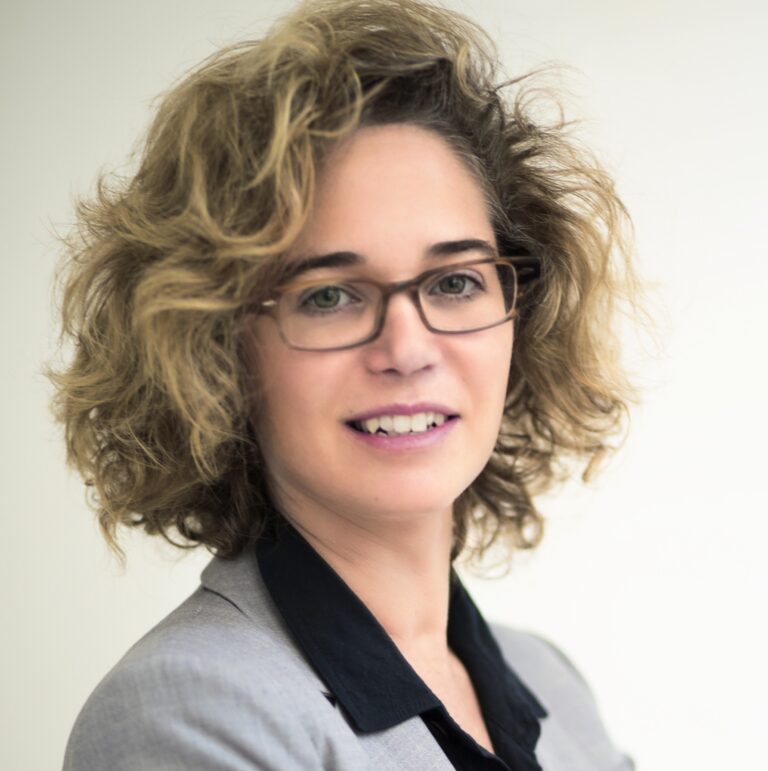
Pediatric rehabilitation is an essential aspect of recovery for children after serious illness and trauma. Dr. Lihi Mansano, director of the Azrieli Foundation Pediatric Rehabilitation Center at Rambam’s Ruth Rappaport Children’s Hospital, oversees personalized rehabilitation programs designed to help these children reach their full potential.
Although specially adapted clothing can help children overcome everyday challenges by turning ordinary garments into rehabilitation tools, hospitals rarely incorporate such clothing into rehabilitation programs. “If clothing helps and encourages a child to participate at school, in kindergarten, or with friends, it becomes a therapeutic tool in its own right,” says Dr. Mansano.
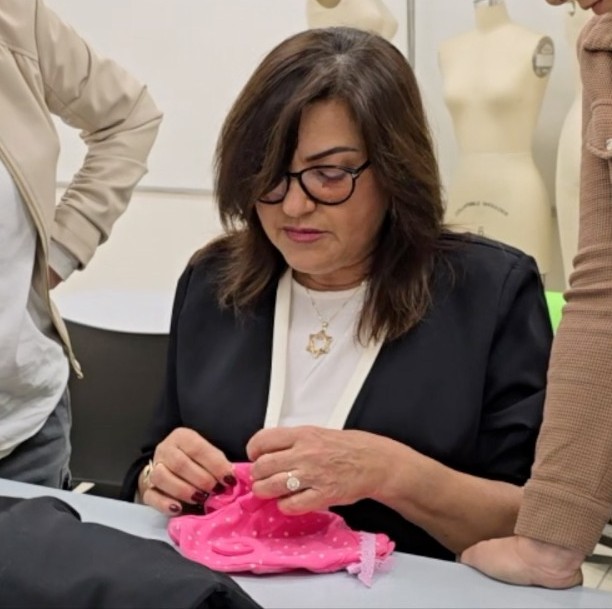
This concept led to a collaboration between Rambam’s pediatric rehabilitation team and the University of Haifa’s External Studies Unit. Riva Nitzan, a patternmaking specialist and head of the Unit’s “Fashion as a Profession” program, helped lead the design process, while occupational therapist Einat Dotan Zach, an expert in accessibility and innovation in fashion, helped develop the approach used to translate functional needs into practical clothing design solutions.
The initiative combines Rambam’s medical expertise with adaptive fashion design to help improve ’children’s mobility and independence while supporting their self-confidence. The garments incorporate features such as magnetic closures, adaptive openings, concealed weights, and discreet modifications that address specific challenges while maintaining the appearance of conventional clothing.
The team takes a holistic approach. “We treat more than the muscle, the joint, or the nervous system,” says Dr. Mansano. “We consider the child’s emotional experience, self-perception, how they are perceived by others, and sense of belonging among peers.”
Sixteen-year-old Khaled lives with multiple sclerosis. Since being diagnosed at age 13, the condition has affected almost every aspect of his life. However, a pair of pants adapted specifically for him has brought positive change. Concealed, removable weights help stabilize his legs, reduce tremors, and improve his balance while walking. He can transfer the weights, held in dedicated pockets, from one pair of pants to another, while wider leg openings make dressing easier.
Since he began wearing the pants, however, Khaled has noticed an improvement and feels stronger. The design allows him to continue his rehabilitation beyond scheduled physiotherapy sessions—an idea that Dr. Mansano says guided the initiative from the outset. Today, Khaled remains optimistic and focused on his goals despite the many challenges of living with multiple sclerosis.
The team has also designed adaptive clothing for children who use external fixation devices, orthopedic braces, or pressure garments following severe burns, as well as for children with limited arm mobility. The clothing is designed to improve function and help children participate more naturally at school, at home, and in social activities.
The team worked with a toddler just over a year old who had sustained extensive burns. To reduce scarring, she had to wear a pressure garment and a special face mask for several months. This kind of treatment can sometimes last around two years.
Dr. Mansano recalls that the toddler’s mother had needed time to adjust to her daughter’s changed appearance and the reaction from her daughter’s daycare center team. The team developed lightweight, breathable, sun-protective clothing for the toddler to wear over her pressure garment. The clothing is designed to protect her sensitive skin while helping her look like other children her age.
Dr. Mansano says the toddler’s garment does more than change how she looks: it allows her to attend daycare, take part in everyday activities, and be seen first and foremost as a child, rather than a patient.
Dr. Mansano measures success by outcomes that extend beyond clinical assessments. “We ask not only whether a child walks better or has an improved range of motion, but also whether they go out more often with friends, dress independently, and feel more confident.”
For Rambam’s pediatric rehabilitation team, both cases reflect the initiative’s broader goal: to improve function while supporting independence, confidence, and participation in everyday life.
Based on an original Hebrew language article that appeared on Walla