Rambam-Developed AI System Identifies Hidden Medical Emergencies
July 30, 2026 – Artificial intelligence (AI) is transforming emergency medicine at Rambam Health Care Campus (Rambam). In a first-of-its-kind initiative, an AI-powered clinical decision support system is helping physicians in both the adult and pediatric emergency departments identify complex and unusual cases within seconds, support diagnostic precision, and reduce waiting times.
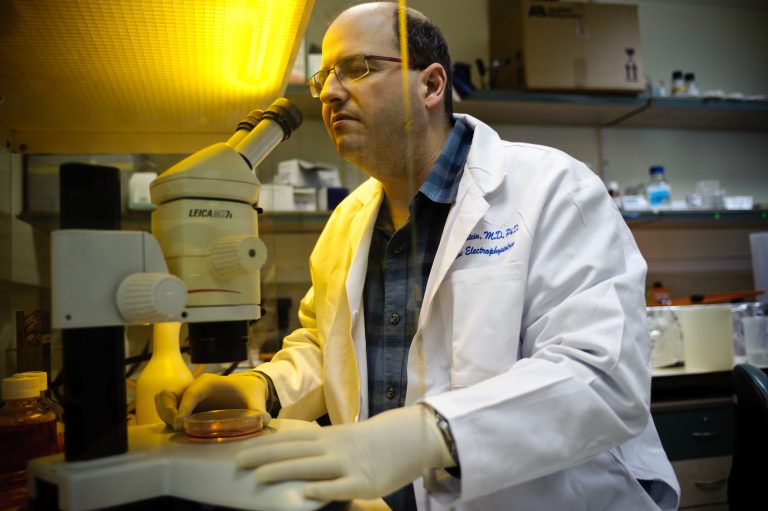
As reported in Ynet News, Professor Shahar Shelly, Director of Rambam’s Department of Neurology and Director of the AI Neurology Laboratory at the Bruce and Ruth Rappaport Faculty of Medicine at the Technion–Israel Institute of Technology initiated and led the development of Shaked, an AI-powered clinical decision support system now operating in Rambam’s adult and pediatric emergency departments. The system was developed with the support of a multidisciplinary team of clinicians and software engineers.
Operating within Rambam’s internal clinical systems, the Shaked system, supports medical teams throughout the patient’s emergency department journey—from admission through diagnosis to the decision to hospitalize or discharge the patient.
In real time, Shaked analyzes patient data, including medical histories, laboratory results, symptoms, and current clinical indicators. It compares each case with similar clinical presentations, recommends possible diagnoses and treatments, and helps physicians prioritize imaging examinations such as CT scans. The system also alerts physicians to patients whose condition could deteriorate rapidly, even when their clinical indicators initially appeared reasonable during triage.
Professor Shelly describes Shaked as “the first AI system to participate in critical decision-making points in an emergency department.” He says the system has already shortened admission times, reduced waits for specialist consultations in Rambam’s adult and pediatric emergency departments, and demonstrated its value in several complex clinical cases.
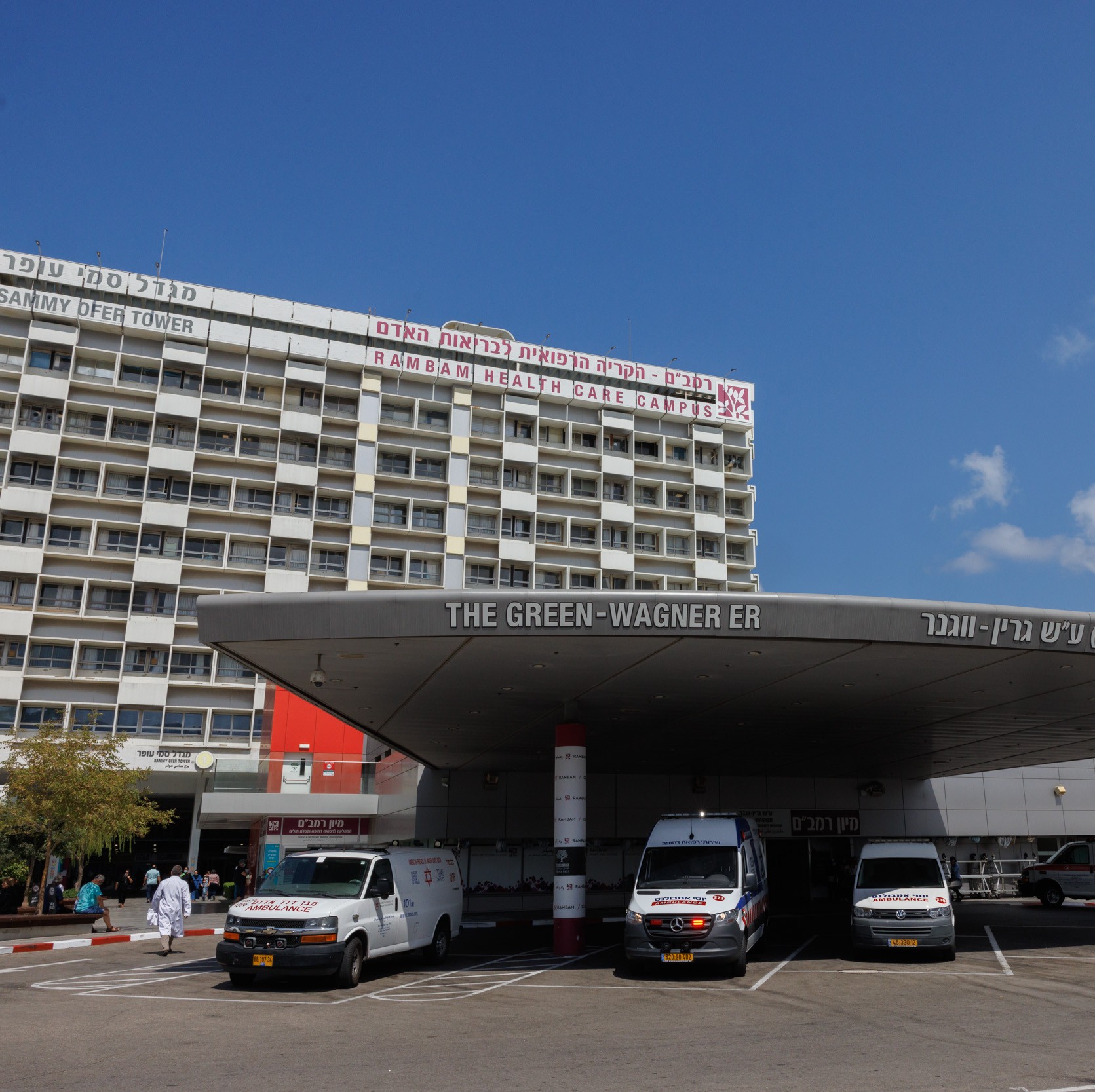
Shaked proved to be invaluable in one recent case at the Green-Wagner Department of Emergency Medicine: a young woman arrived with symptoms strongly suggestive of a stroke. As the medical team prepared to activate the stroke protocol, Shaked flagged that she had undergone a complex dental procedure two weeks earlier, which can sometimes lead to an infection affecting the facial nerve. An oral and maxillofacial specialist subsequently diagnosed acute gum inflammation rather than a stroke, helping the team avoid an unnecessary emergency CT scan.
In the Cheryl Spencer Pediatric Emergency Department, Shaked identified an injury pattern consistent with possible child abuse in a four-month-old girl, prompting the medical team to report the case to the appropriate authorities.
A third case involved a 13-year-old boy who complained of muscle pain. Shaked analyzed his blood tests and alerted physicians to the possibility of severe hypokalemia—an acute potassium deficiency—combined with metabolic acidosis—a rare and life-threatening condition.
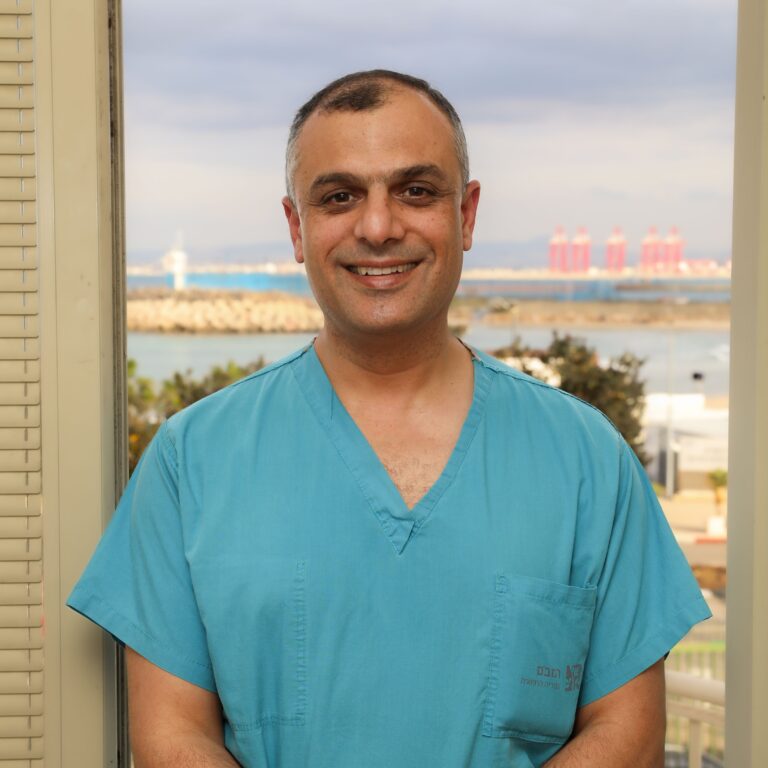
Dr. Idit Pasternak, Director of the Cheryl Spencer Pediatric Emergency Department, explained that without immediate treatment, the boy’s condition could have progressed to acute cardiac and respiratory failure, cardiac arrest, and death. “In this case,” said Dr. Pasternak, “Shaked saved valuable time, enabling us to confirm the diagnosis and begin lifesaving treatment immediately.”
As results and clinical information become available, Shaked immediately incorporates them into its analysis, giving physicians the most current information throughout a patient’s emergency department stay. A conversational interface enables patient-specific questions and in the near future, the system may also help prepare summaries of findings based on radiological interpretations.
Shaked utilizes secure Rambam databases that contain decades of relevant data. Professor Shelly points out that as a result, it does not have to search for information outside of the hospital’s system. This makes teamwork more efficient in terms of both time and precision.
Dr. Michal Mekel, Rambam’s Director General, says that Rambam’s administration has placed innovation, particularly the development of artificial intelligence, high on its list of priorities, “AI will not replace physicians—it will strengthen clinical decision-making, reduce delays, minimize cognitive bias, and allow our doctors to devote more time to what matters most: caring for their patients. We believe this technology represents the future of emergency medicine.”