Revolutionary Findings: A Call for Change in Treatment Strategies of Vegetative Patients
September 2, 2024 — A groundbreaking study published in the New England Journal of Medicine reveals that at least 25% of patients diagnosed in a vegetative state may actually be conscious, challenging long-standing perceptions about these patients. The research, involving coordination between top neuroscientists from six global medical centers, stresses the urgency for a transformative approach in how this vulnerable subset of patients is treated.
Hundreds of thousands of patients are hospitalized for months, or even years, completely unable to communicate. Are they aware? An article published in August in the New England Journal of Medicine (NEJM), written by some of the world’s top neurologists, provides a clear answer. The study was performed in six centers worldwide and examined a large sample of 241 patients unable who were unable to respond to commands via standard assessment tools. Using functional magnetic resonance imaging (fMRI) and electroencephalograms (EEGs) to evaluate brain function, the researchers discovered that at least 25% of the patients were aware.
Dr. Nicholas Schiff, a leading neuroscientist from Cornell University and researcher in the study, emphasized the societal implications of the study. “This discovery points to a significant number of individuals who are often overlooked. Our mission now is to investigate these patients further and implement changes in their care,” he stated.
Among those leading the change in the approach to these type of patients is Dr. Goded Shahaf, principal investigator of the Applied Neurophysiology Lab at Rambam. He has developed an innovative tool designed to enhance communication with patients in vegetative states using EEG technology. This new tool, the EyeCon System, is a simplified, user-friendly device that measures the brain’s electrical activity, allowing caregivers to potentially communicate with patients who might have been deemed unresponsive.
Physicians at Rambam have been focusing on working with acute cases in the intensive care unit for the past two years. Dr. Goded Shahaf explains, “The rehabilitation process consists of two stages. Initially, we work on establishing a fundamental response, such as blinking or refraining from blinking. The second stage involves assessing the patient’s cognitive preservation. Even those with significant cognitive impairments can learn to blink or activate music, as it’s a relatively simple skill to acquire.”
The research published in NEJM, as well as that of Dr. Goded Shahaf, highlights several profound cases, including a patient who lay unresponsive for four years but later demonstrated the ability to communicate through slight movements. This kind of awakening echoes the prior research of noted British neuroscientist Dr. Adrian Owen’s, which mapped brain responses to stimuli, unveiling consciousness in patients once thought to be entirely unaware.
Despite these inspiring advancements, Dr. Dana Gefen Doron, director of the Complex Brain Injury Rehabilitation Department at Reuth Rehabilitation Hospital (Reuth) in Tel Aviv, raises concerns about patients’ emotional experiences. “While we’ve seen some stunning progress, it’s crucial not to overlook the ethical dimensions of treatment and to question whether raising awareness in these patients is indeed beneficial for them,” she stated.
Dr. Goded Shahaf, along with his colleague, Dr. Dana Baron Shahaf, director of the Neurosurgery Anesthesia Unit at Rambam, recount experiences with patients who chose not to cooperate with treatment. “One patient responded, saying, ‘Thank you, but I don’t want treatment,’” notes Baron Shahaf. “There was another patient who, despite appearing attentive, eventually stopped responding to his wife. Often, these patients express frustration with the treatment process.”
It is not merely about improving medical assessments, but about reframing our approach to human dignity and care. The pressing question is whether patients who regain some ability to communicate want to connect with a world they may perceive as indifferent to their suffering. Professor Aviah Gvion, director of the Communication Disorders Unit at Reuth, warns that a failure to engage with these patients can lead to extreme isolation. “They are often neglected, left in their state with little hope of communication unless families actively engage with them,” she noted.
The EyeCon System has been instrumental in addressing this gap, providing real-time insights through a simple EEG setup that allows patients to interact, even in small ways. “This tool is more than just a device; it’s a means of connection that reassures both the patients and their families that their loved ones are still present and valued,” Gvion added.
Rambam’s approach to integrating advanced technology like the EyeCon System aligns with ongoing global efforts to re-evaluate treatment techniques in patients diagnosed with severe brain injuries. With patients frequently misclassified, there is increased recognition of the need for more nuanced tools capable of detecting hidden levels of awareness.
Dr. Goded Shahaf and his team continue to encourage families to actively engage with patients. “It’s vital for families to be present and communicate. The tools we provide help foster meaningful interactions.”
As the medical community stands at the crossroads of medical innovation and ethical responsibility, this study serves as a sharp call to revise treatment protocols. “We must not only identify but address the unrecognized suffering and longing for connection in these patients. It’s time to change how we engage, assess, and support them,” urges Schiff.
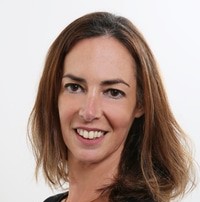
In the photo: Dr. Dana Baron Shahaf
Photography: Rambam HCC

Related posts
An “Invisible” Killer: The Dangers of Blast Trauma
Injured Soldier Airlifted to Rambam During Minister of Health Haim Katz Visit to Rambam